Where to Rent an Office in London
The right district matters more in London than in most cities, because each business cluster has its own tenant profile and its own price logic. These are the areas our clients ask about most often.
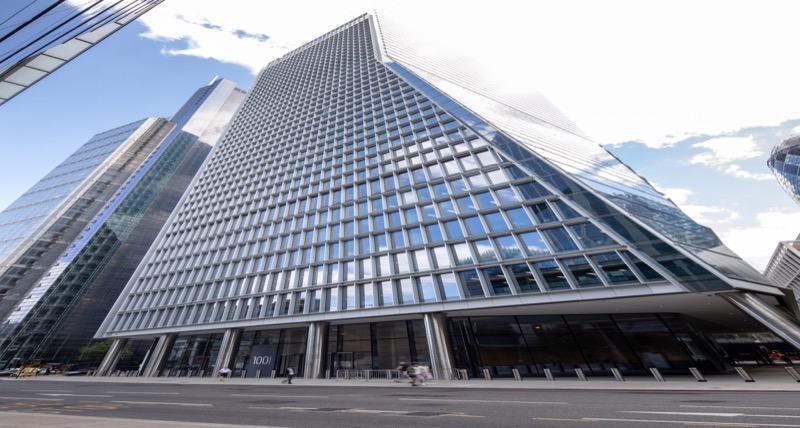
City of London
The Square Mile is still the default address for finance, law and insurance. Offices in the City of London sit closest to the top of the price range, but availability is broad: the district holds the largest share of the serviced offices in our catalogue, with Bank, Liverpool Street and Farringdon stations covering every corner of it.
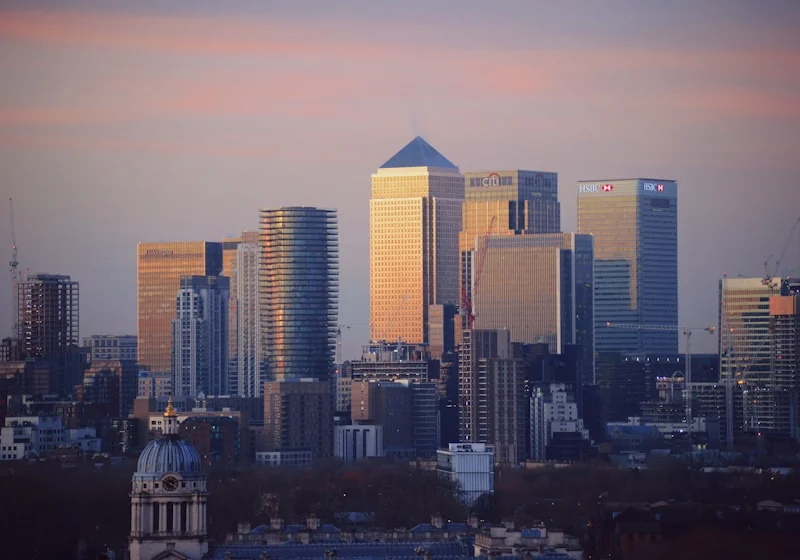
Canary Wharf
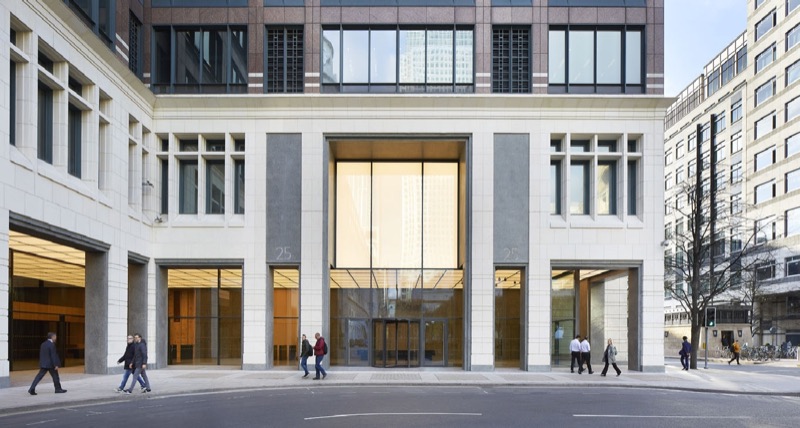
Canary Wharf offers tower floors with newer specifications than much of the City at comparable or lower rates, which is why banks share the estate with a growing tech tenancy. The Elizabeth Line has cut the journey from central London to minutes, and the retail and dining infrastructure under the towers is the most complete of any London business district.
Soho and the West End
Media, film and advertising firms concentrate in Soho, where the typical unit is smaller and character buildings outnumber towers. Around it, central London listings in Fitzrovia, Covent Garden and Bloomsbury give growing companies a West End address without Mayfair pricing.
Shoreditch
Shoreditch is where London’s tech scene rents. Coworking density is the highest in the city, and flexible terms are the norm rather than the exception — useful for teams that expect to change headcount within a year. Listings cluster around Shoreditch High Street and Old Street stations.
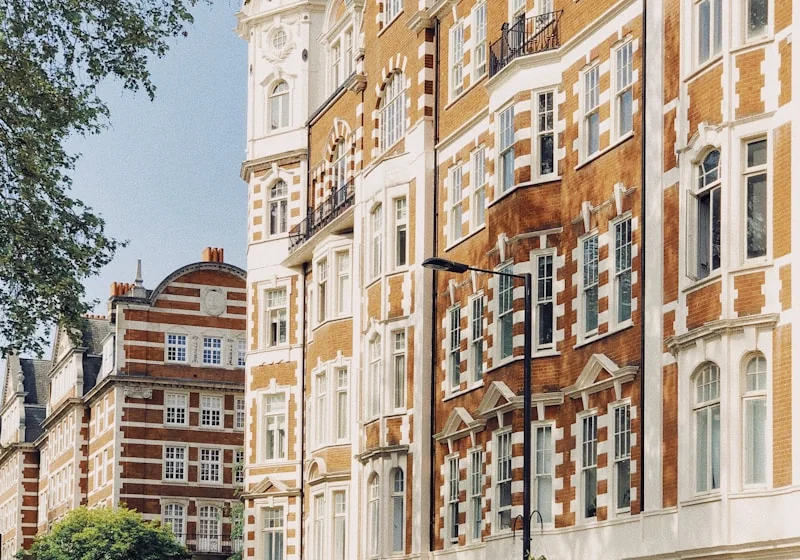
Mayfair
Mayfair and St James’s remain the most expensive postcodes in the catalogue, occupied by funds, family offices and advisory boutiques for whom the address is part of the pitch. Supply is limited and units are rarely large, so options here are worth reserving early.
East and West London
Value tenants look east and west. Stratford and the wider East End combine Elizabeth Line access with rents well below the central districts, while Hammersmith, Chiswick and Ealing give West London companies larger floors for the same budget. Both directions are well represented in the catalogue, and in each the same rule applies: the further from Zone 1, the more square metres per pound.
Offices by Size and Budget
Listed units run from a single desk to self-contained floors of 896 m², so the honest way to budget is by band. Under £500 per month buys a coworking desk or a compact one-to-two person room, mostly outside Zone 1. Between £1,000 and £3,000 per month sits the core of the market — the median private office at £2,750 lands here — typically a furnished room for a team of four to eight with meeting-room credits included. Above £10,000 per month the options shift to branded suites and part-floors in the City and Canary Wharf, where the contract often includes signage, dedicated internet and a private kitchen.
Half of the listed monthly rates fall below £390, which surprises people who know London only by its headline rents: the long tail of small rooms and desks keeps the entry point low. It also means a first London address rarely needs to wait for funding — the practical minimum is one desk, one month.
Serviced Offices and Coworking in London
Beyond conventional private offices, the catalogue currently lists 226 coworking desks, plus meeting rooms, virtual offices and registered business addresses in 198 centres. In practice this means a company can start with two desks, add a private room, and later take a self-contained suite in the same building without changing its address — the pattern we see most often among tenants who arrive as startups.
Serviced offices in London also solve the timing problem. A conventional lease in the City takes months of legal work before a team can move in; a serviced suite from the catalogue is usually signable within days, with the deposit capped at one to two months rather than a year of rent. For companies opening a first UK office, that difference — plus a ready registered address — is often the deciding factor.
Getting Around: 49 Stations on the Map
Every building in the catalogue is mapped to the nearest of 49 Underground and rail stations, from Bank and Liverpool Street in the Square Mile to Old Street, Waterloo and Canary Wharf. In a city where the average commute crosses several zones, searching by station is frequently more useful than searching by district: a team split between north and south London will shortlist different buildings around King’s Cross than around London Bridge, even at identical rents.
How the Search Works
The service is free for tenants. Filter the full London listing by district, station, size and budget, compare the monthly rates side by side, and send a request for the shortlisted buildings — the centre replies with current availability and a viewing slot. Because 49 stations are mapped to the listings, you can also start from your team’s commute rather than from a district name.
Rates in the catalogue are updated as centres report them, so the range you see — from a £284 desk in a coworking to a £58,800 headquarters floor — reflects what is actually signable this month, not last year’s averages. That is the fastest way to rent an office in London: compare real numbers first, and only then book the viewings.