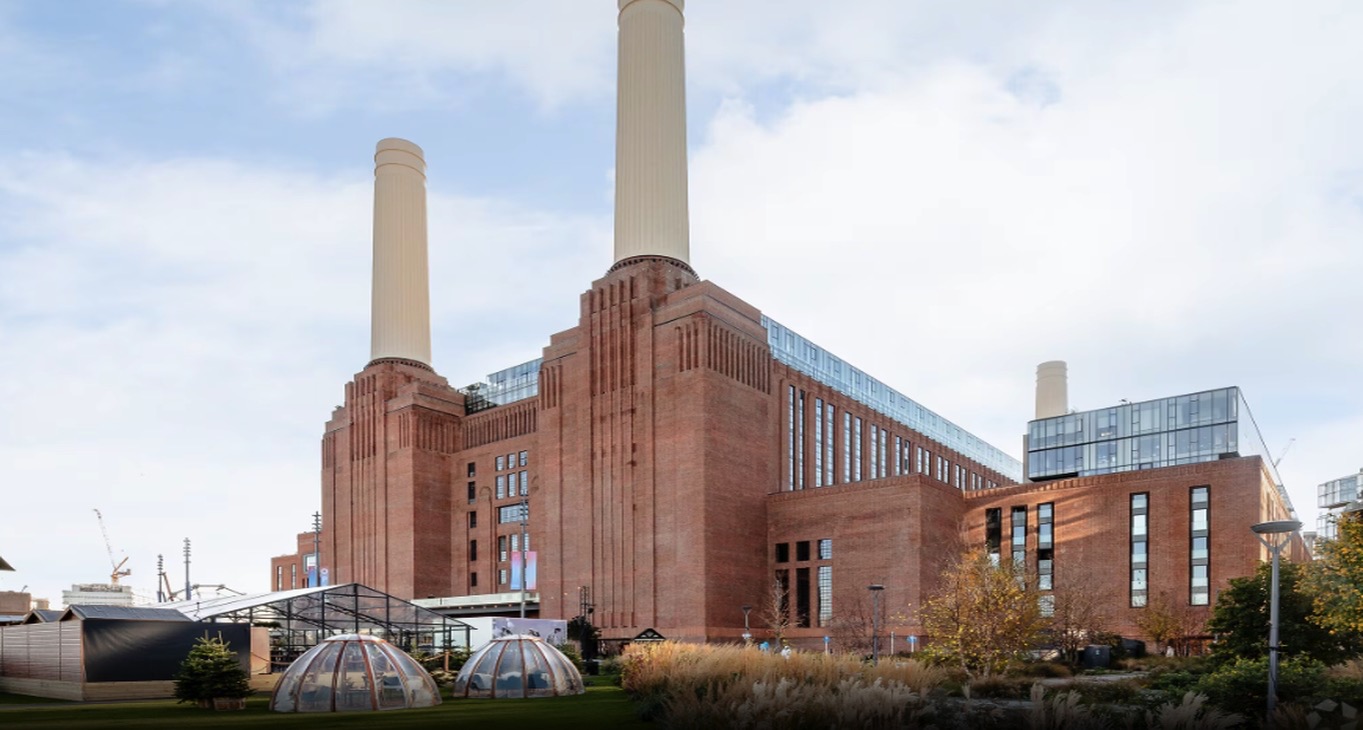
London's landscape is a palimpsest, marked by layers of history that narrate the city's continuous evolution. A striking chapter of this narrative is the transformation of its industrial spaces into contemporary offices, a movement that marries the city's industrial heritage with the burgeoning demands of its modern business sector. This exploration delves into how former factories, warehouses, and industrial lofts have been ingeniously converted into vibrant office environments, spotlighting the allure of industrial chic design and the trend of loft offices that have become emblematic of innovation and style in the workplace.
Industrial Past Meets Modern Workspace
The genesis of this trend can be traced back to London's rich industrial history, where sprawling factories and warehouses once formed the backbone of the city's economy. As industrial activities shifted or downscaled, these cavernous spaces were left dormant, waiting for a new lease on life. The transformation began with visionary architects and developers seeing potential in these structures—high ceilings, open floor plans, and robust materials—to create distinctive workspaces that break free from the conventional office mold.
Loft Offices: Elevating Work Environments
Loft offices have emerged as a defining element of this transformation. Characterized by their open-plan layouts, exposed brickwork, and large windows, these spaces offer a blend of functionality and aesthetic appeal. The raw, unfinished look, often complemented by modern furnishings and technology, creates a dynamic environment that fosters creativity and collaboration. This juxtaposition of the old and the new has made loft offices highly sought after by creative industries, tech startups, and businesses looking for an office with character and history.
The Appeal of Industrial Chic Design
Industrial chic design, with its emphasis on authenticity and simplicity, has been a driving force behind the repurposing of industrial spaces. This aesthetic celebrates the beauty of structural elements such as steel beams, concrete floors, and exposed ductwork, turning them into focal points rather than aspects to be concealed. The appeal lies in the design's ability to convey a sense of honesty and raw elegance, creating workspaces that are not only visually striking but also imbued with a sense of history and resilience.
Breathing New Life into Old Spaces
The transformation of industrial spaces into offices is more than just a design trend; it's a sustainable approach to urban development. By repurposing existing structures, developers can reduce the need for new construction materials and minimize the environmental impact of demolition. These projects often serve as catalysts for revitalizing forgotten neighborhoods, bringing new energy and economic opportunities to areas once defined by industrial decline.
Challenges and Rewards
Converting industrial spaces into modern offices is not without its challenges, from navigating building regulations to updating infrastructure for contemporary needs. However, the rewards are manifold. Businesses housed in these spaces benefit from unique, flexible work environments that stand out in the competitive landscape of London's office market. For employees, these offices offer inspiring settings that blur the lines between work and art, enhancing well-being and productivity.
What sizes are actually on offer
Of the 1419 available offices in London, 1013 are under 100 m², the median is 56 m² and the largest single suite is 896 m². Prices start at £130 a month.
The transformation of London's industrial spaces into modern offices is a testament to the city's ability to reinvent itself, preserving its architectural heritage while adapting to the future of work. As the trend of loft offices and industrial chic design continues to gain momentum, it reflects a broader shift towards workplaces that celebrate authenticity, foster community, and prioritize sustainability. In the heart of a city that's always moving forward, these spaces offer a bridge to the past, grounding businesses in the rich tapestry of London's industrial legacy.